A Comprehensive Guide to the Various Uses HDPE Pipeline in Building and Sector
HDPE pipelines have actually become a critical element in modern-day building and construction and commercial applications. Their special buildings, such as resistance to rust and lightweight style, make them suitable for a large range of usages. From water system systems to farming irrigation, HDPE pipes use solutions that enhance efficiency and sustainability. Recognizing their diverse applications is crucial for specialists wanting to enhance infrastructure. What certain benefits do these pipes give each field?
Water System and Circulation Equipments
Supply of water and distribution systems are essential components of urban facilities, often depending on high-density polyethylene (HDPE) pipelines for their longevity and efficiency. These systems transport safe and clean water from therapy facilities to consumers, ensuring access and safety. HDPE pipelines are favored for their resistance to rust, chemicals, and severe temperature levels, which improves their durability and minimizes maintenance prices. Additionally, their lightweight nature allows for much easier installation and transport, making them optimal for different metropolitan and rural applications.
The versatility of HDPE pipes allows them to be set up in tight spaces and around barriers, lessening the demand for extensive excavation (hdpe pipe suppliers Midland TX). Additionally, their smooth interior surface area decreases rubbing losses, boosting water flow rates. As cities remain to expand, the need for trustworthy water system systems increases, positioning HDPE pipes as a lasting remedy for contemporary infrastructure tasks. Their tested performance history makes them a preferred option among engineers and urban planners alike
Wastewater Monitoring and Therapy
Reliable wastewater management and treatment are essential for maintaining public wellness and ecological top quality. HDPE pipes play an important duty in this process as a result of their resilience, resistance to deterioration, and ability to stand up to harsh chemicals. These pipelines are generally utilized in different applications, including sewage systems, stormwater water drainage, and wastewater therapy facilities. Their light-weight nature facilitates simpler setup and transport, reducing labor expenses and time.
Furthermore, HDPE pipelines have a smooth interior surface that reduces friction loss, promoting reliable flow rates. They are also much less vulnerable to leakages and failures contrasted to conventional materials, guaranteeing that impurities are consisted of successfully. Their flexibility enables for versatility in numerous dirt conditions, making them appropriate for varied ecological setups. As markets increasingly focus on sustainable techniques, using HDPE pipes in wastewater management systems aligns with goals for decreasing ecological impact and enhancing resource recovery.
Agricultural Irrigation Solutions
In agricultural settings, efficient watering options are essential for maximizing crop yields and managing water sources. HDPE (High-Density Polyethylene) pipes play a vital duty in modern-day watering systems as a result of their sturdiness, flexibility, and resistance to rust. Their capacity to stand up to high pressures makes them optimal for both surface and subsurface watering applications, making certain uniform water circulation throughout fields.
Farmers can utilize HDPE pipes in drip irrigation systems, sewer cleanout on side of house which deliver water directly to plant roots, decreasing waste and promoting healthy development. Furthermore, these pipelines are light-weight and simple to mount, lowering labor prices and setup time. Their lengthy lifespan and low maintenance needs additionally boost their appeal in agricultural practices.
Moreover, HDPE pipes are ecologically friendly, as they can be recycled and do not seep dangerous chemicals right into the dirt. This makes them a sustainable option for farmers intending to take on environmentally friendly agricultural approaches while optimizing performance.
Industrial Applications and Processes
Versatility is a hallmark of HDPE pipelines, making them important in different industrial applications and processes. These pipelines are commonly used in chemical processing industries because of their outstanding resistance to a variety of corrosive substances. HDPE's lightweight nature, incorporated with high tensile stamina, enables easy installment and long-term performance in demanding environments.
In the oil and gas market, HDPE pipelines play a crucial duty in transporting hydrocarbons and gases, thanks to their toughness and adaptability - Pipe Manufacturing Midland TX. Additionally, they are employed in mining operations for the transportation of slurry and other products, where traditional piping systems might stop working
HDPE pipelines are increasingly made use of in making centers for water supply lines and wastewater monitoring. Their capability to hold up against severe temperatures and stress makes them ideal for a selection of industrial processes. Overall, HDPE pipes contribute considerably to effectiveness and safety throughout varied commercial applications.
Stormwater Monitoring and Drain Systems
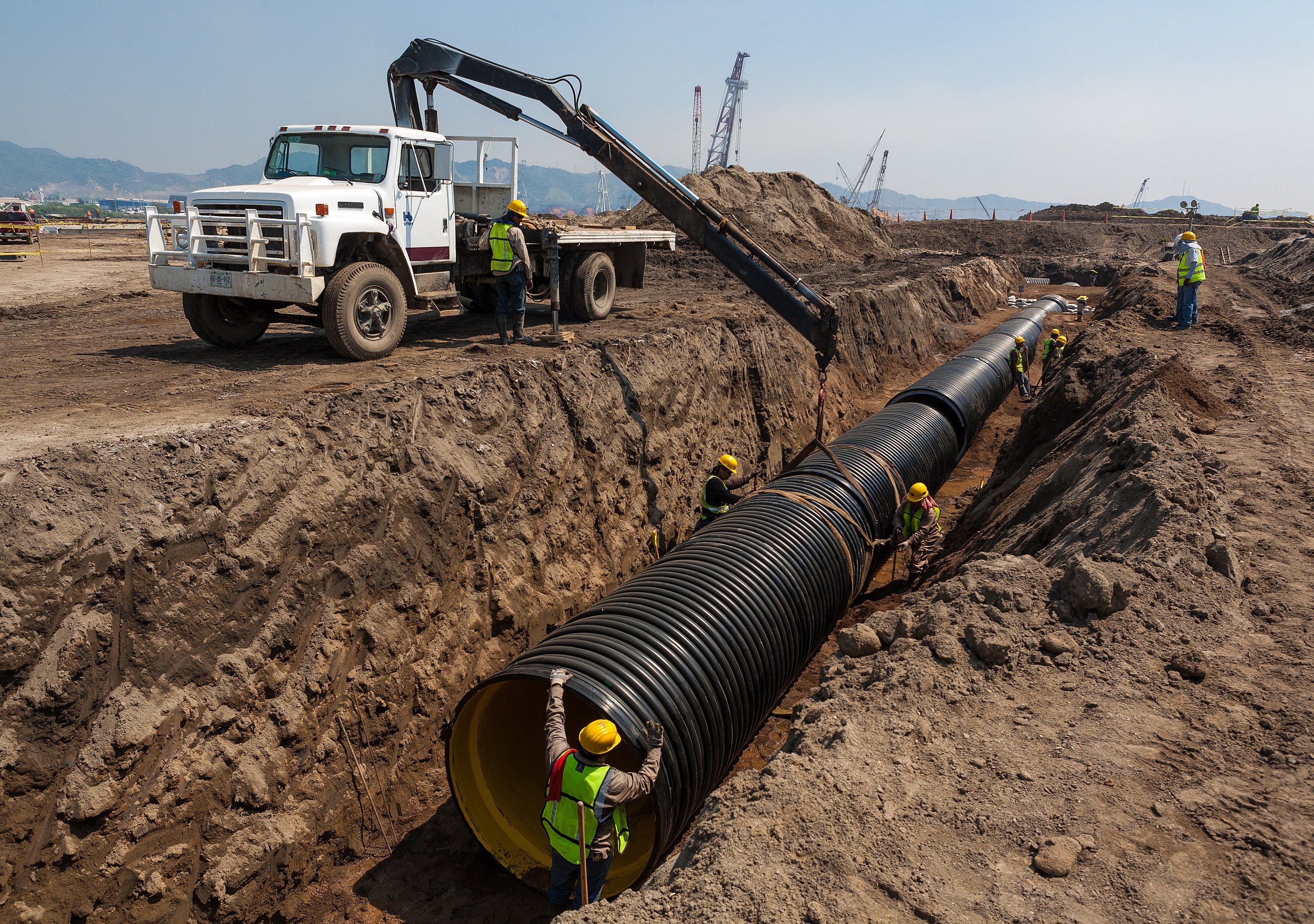
Stormwater administration and water drainage systems are essential components in metropolitan framework, developed to manage excess rainfall and minimize flooding dangers. High-density polyethylene (HDPE) pipes are increasingly utilized in these systems as a result of their durability, versatility, and resistance to deterioration. These pipelines efficiently carry stormwater away from populated areas, minimizing surface drainage and protecting against waterlogging.
HDPE's lightweight nature assists in easier installment, lowering labor costs and building and construction time. Furthermore, its resistance to chemicals and ecological stress factors guarantees long life and dependability in numerous environments. In addition to traditional water click for more drainage applications, HDPE pipes are likewise employed in innovative remedies such as green facilities, which includes rainfall gardens and absorptive pavements.
Frequently Asked Inquiries
How Does HDPE Pipe Compare to PVC Pipe in Expense?
In general, HDPE pipeline often tends to be much more pricey than PVC pipeline due to its enhanced longevity and versatility. Long-term cost considerations, such as upkeep and life expectancy, might prefer HDPE in certain applications.
What Is the Lifespan of HDPE Piping Under Diverse Conditions?
HDPE pipelines usually have a life-span of 50 to 100 years, depending upon environmental problems, setup techniques, and usage. Factors such as temperature level, dirt kind, and exposure to chemicals can considerably influence their toughness.
Can HDPE Pipes Be Recycled After Usage?
Yes, HDPE pipes can be recycled after usage. The recycling procedure involves thawing down the material, permitting it to be repurposed right into new products, thereby advertising sustainability and index decreasing environmental effect related to plastic waste.
Are There Any Specific Installation Difficulties With HDPE Pipelines?
Installment challenges with HDPE pipelines consist of proper jointing techniques, guaranteeing sufficient trench problems, and managing thermal growth. In addition, competent labor is needed to manage customized equipment, which can complicate the installment procedure in different atmospheres.
What Accreditations Should I Seek When Getting HDPE Pipes?
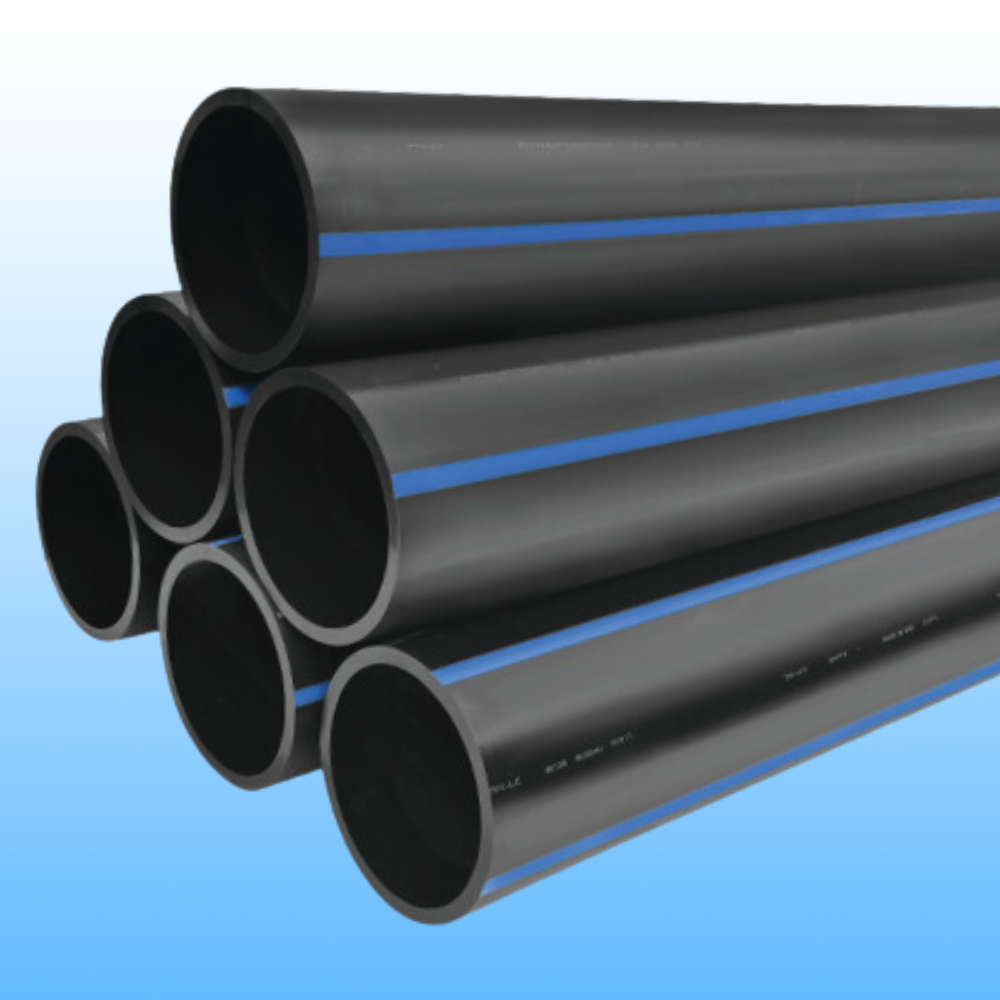
When acquiring HDPE pipelines, one need to seek accreditations such as ASTM, AASHTO, and ISO, which verify quality and conformity with market criteria, assuring resilience and efficiency in numerous applications. - American Plastics HDPE Pipe Manufacturing